From Device Plugin to DRA: GPU Scheduling Paradigm Upgrade and HAMi-DRA Practice Review
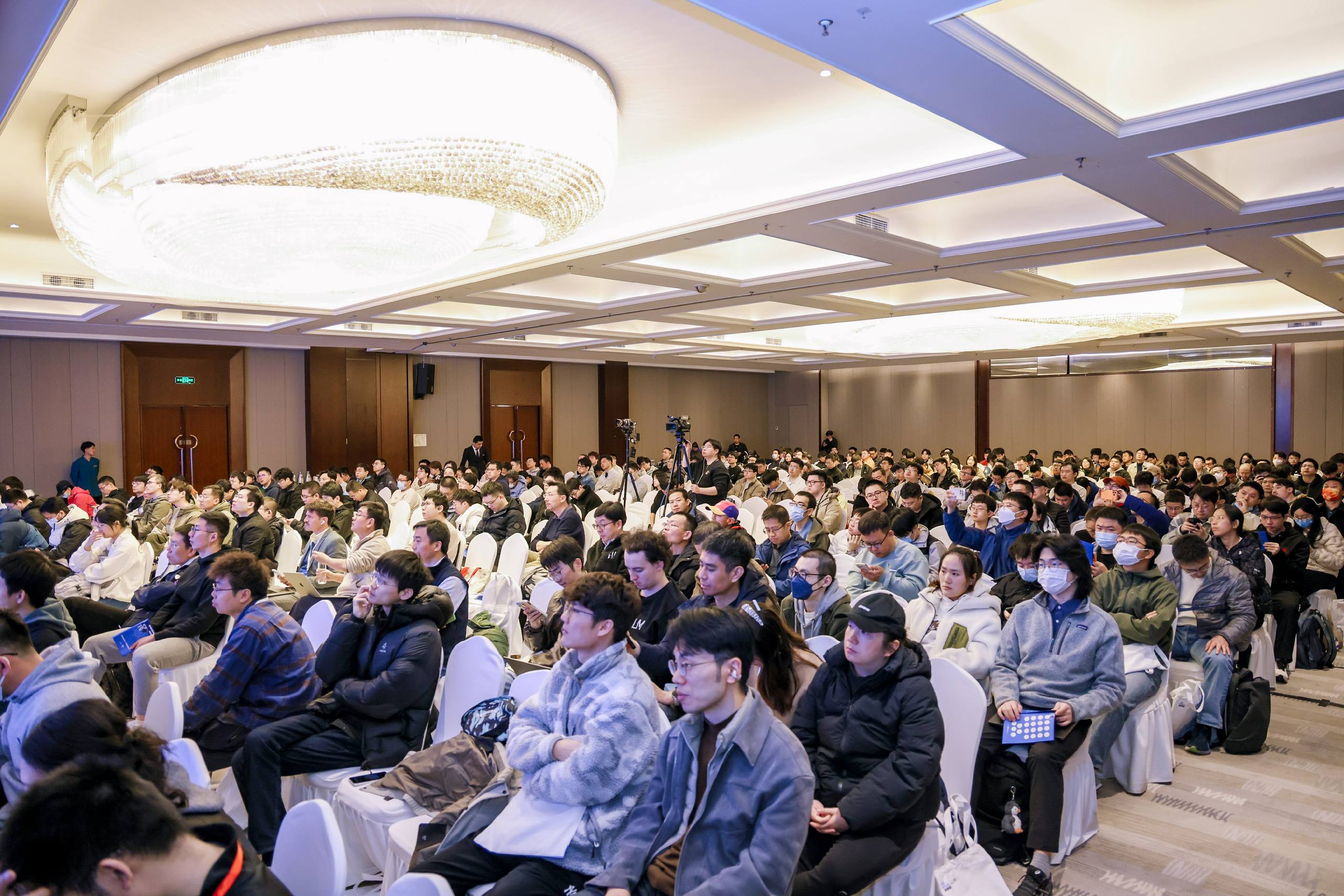
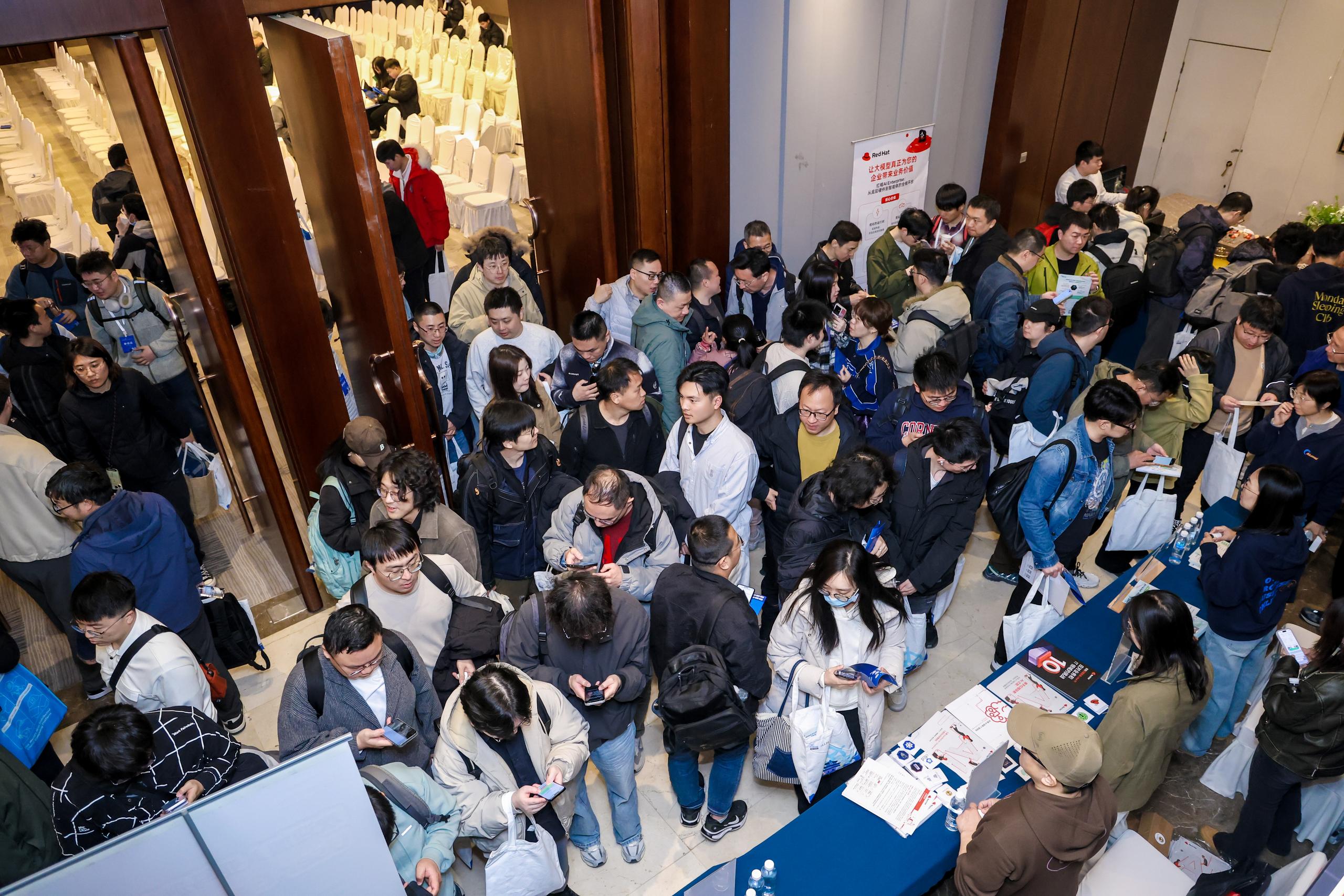
KCD Beijing 2026 was one of the largest Kubernetes community events in recent years.
Over 1,000 people registered, setting a new record for KCD Beijing.
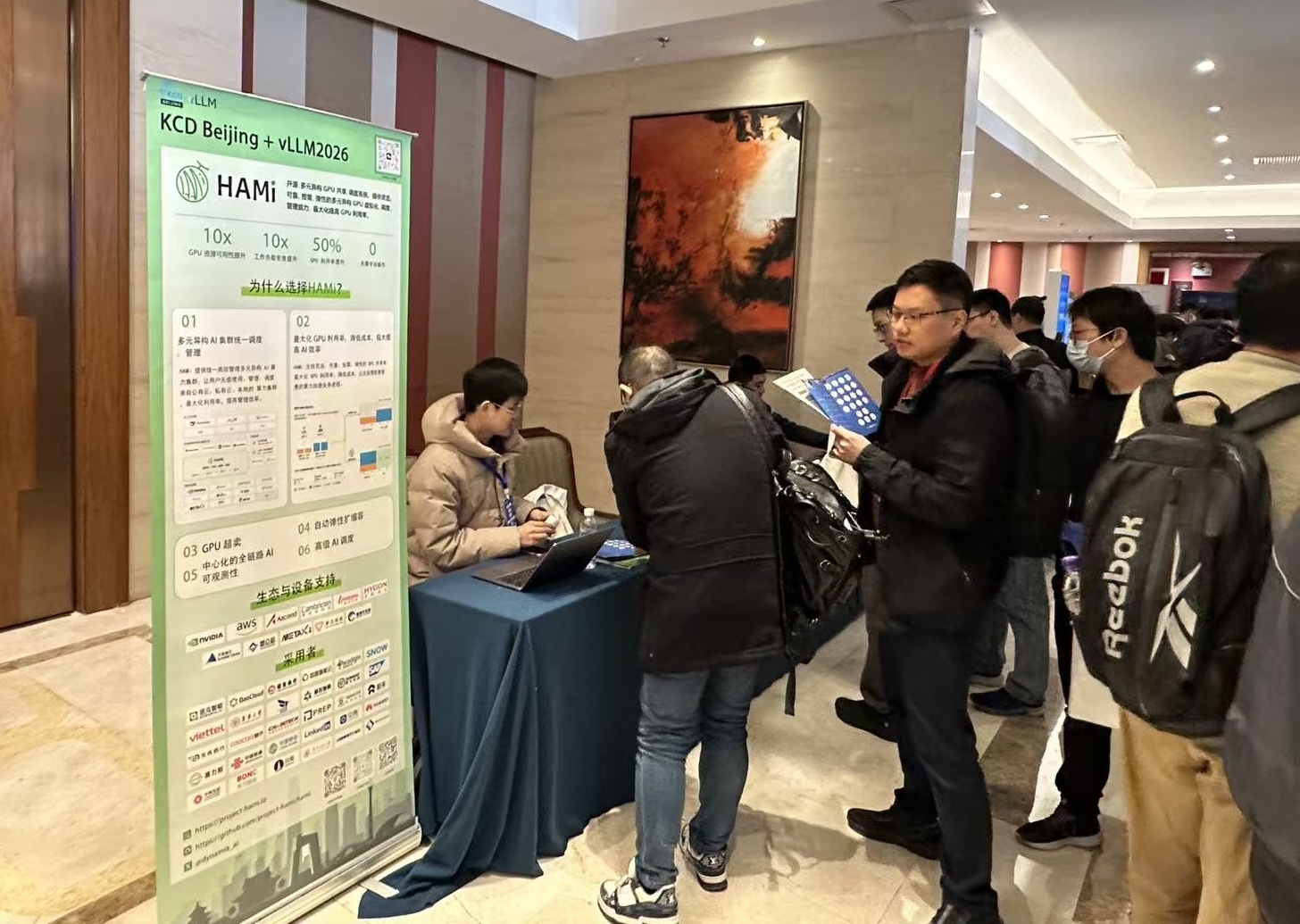
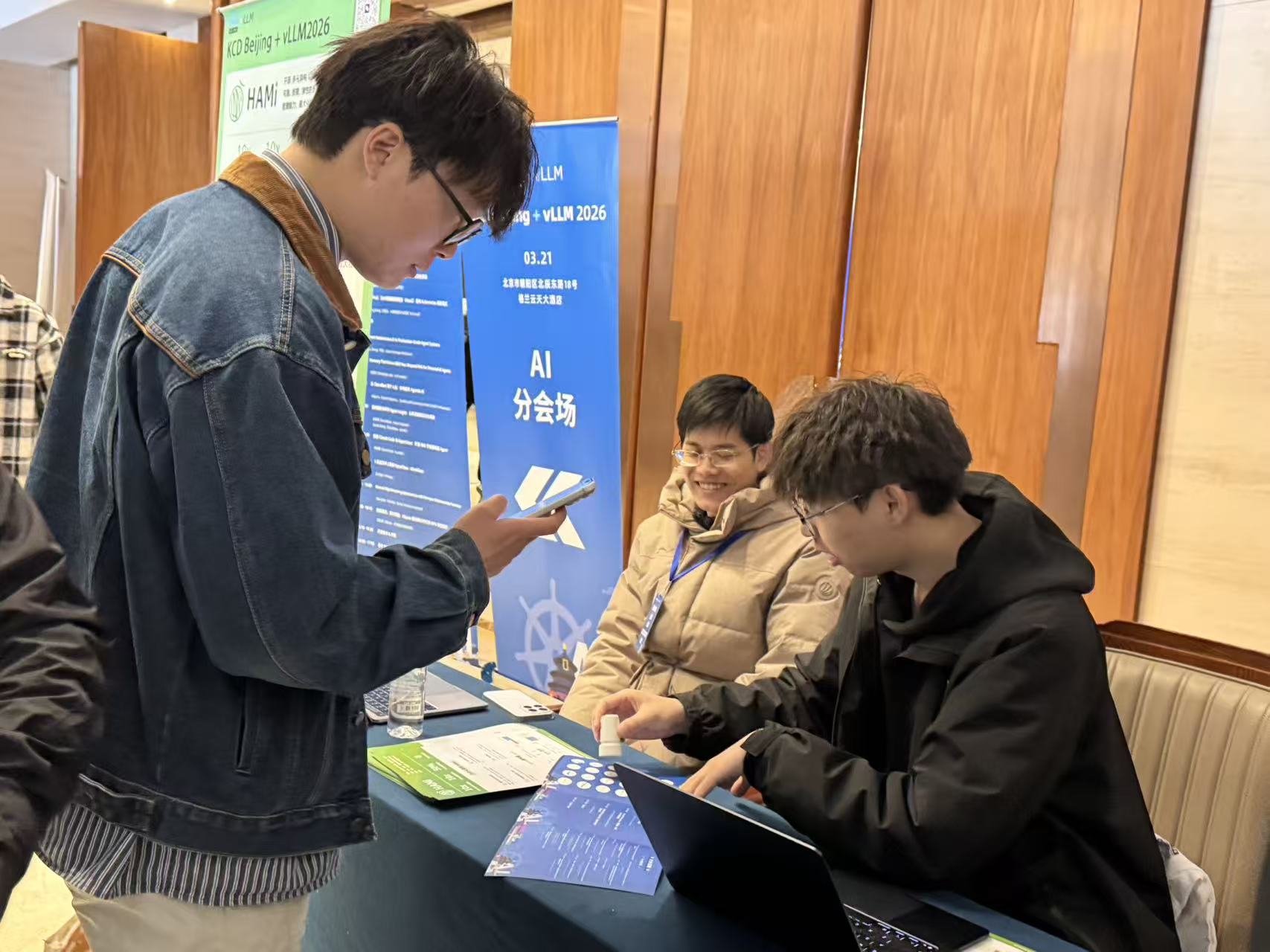
The HAMi community not only gave a technical talk but also set up a booth, engaging deeply with developers and enterprise users from the cloud-native and AI infrastructure fields.
The topic of this talk was:
From Device Plugin to DRA: GPU Scheduling Paradigm Upgrade and HAMi-DRA Practice
This article combines the on-site presentation and slides for a more complete technical review. Slides download: GitHub - HAMi-DRA KCD Beijing 2026.
HAMi Community at the Event
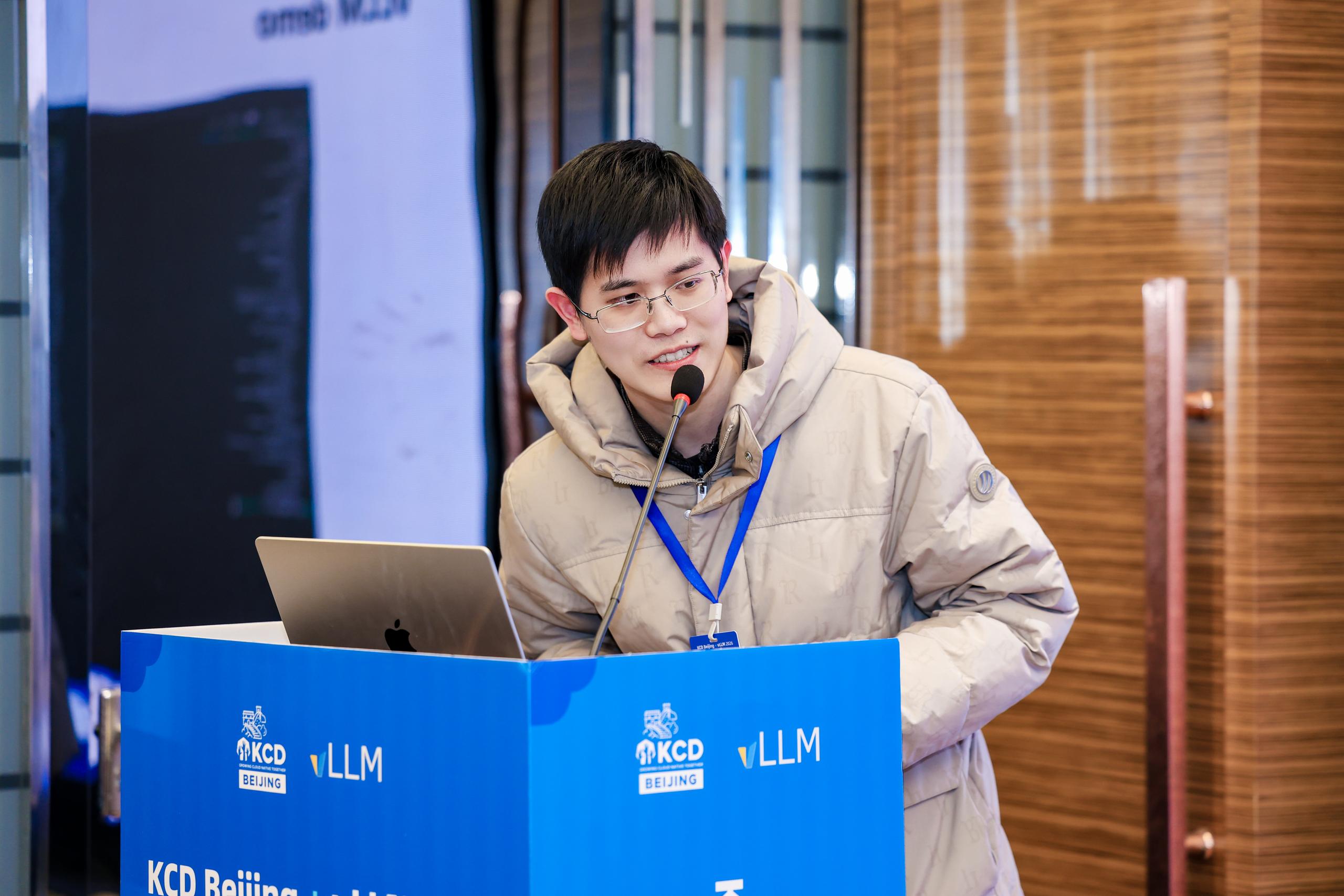
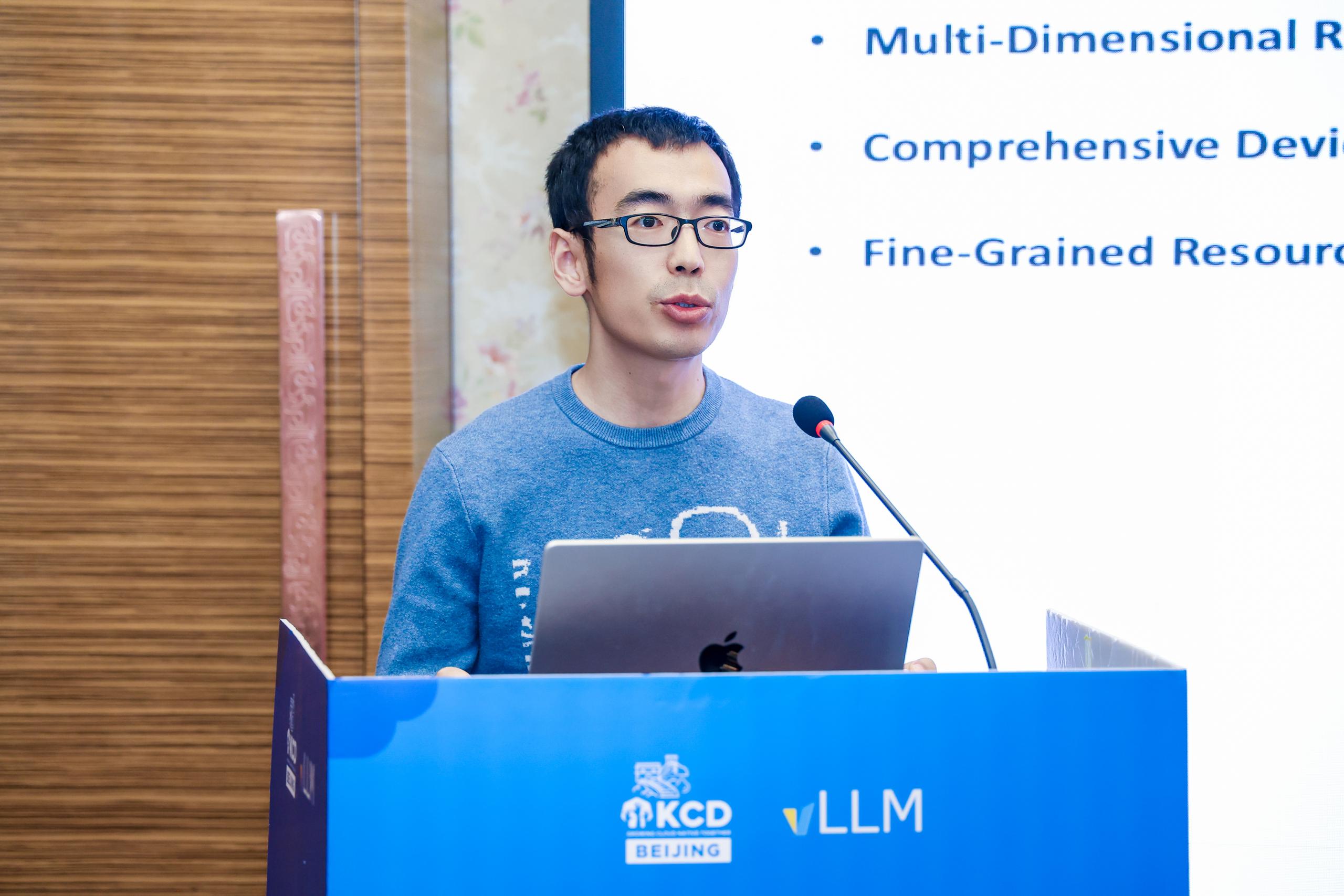
The talk was delivered by two core contributors of the HAMi community:
- Wang Jifei (Dynamia, HAMi Approver, main HAMi-DRA contributor)
- James Deng (Fourth Paradigm, HAMi Reviewer)
They have long focused on:
- GPU scheduling and virtualization
- Kubernetes resource models
- Heterogeneous compute management
At the booth, the HAMi community discussed with attendees questions such as:
- Is Kubernetes really suitable for AI workloads?
- Should GPUs be treated as "scheduling resources" rather than "devices"?
- How to introduce DRA without breaking the ecosystem?
Event Recap
GPU Scheduling Paradigm is Changing
The core of this talk extends beyond DRA itself, pointing to a broader shift:
GPUs are evolving from "devices" to "resource objects".
1. The Ceiling of Device Plugin
The problem with the traditional model is its limited expressiveness:
- Can only describe "quantity" (
nvidia.com/gpu: 1) - Cannot express:
- Multi-dimensional resources (memory / core / slice)
- Multi-card combinations
- Topology (NUMA / NVLink)
This directly leads to:
- Scheduling logic leakage (extender / sidecar)
- Increased system complexity
- Limited concurrency
2. DRA: Leap in Resource Modeling
DRA's core advantages are:
- Multi-dimensional resource modeling
- Complete device lifecycle management
- Fine-grained resource allocation
Key change:
Resource requests move from Pod fields → independent ResourceClaim objects
Key Reality: DRA is Too Complex
A key slide in the PPT, often overlooked:
DRA request looks like this
spec:
  devices:
    requests:
    - exactly:
        allocationMode: ExactCount
        capacity:
          requests:
            memory: 4194304k
            count: 1
You also need to write a CEL selector:
device.attributes["gpu.hami.io"].type == "hami-gpu"
Compared to Device Plugin
resources:
  limits:
    nvidia.com/gpu: 1
The conclusion is clear:
DRA is an upgrade in capability, but UX is clearly degraded.
HAMi-DRA's Key Breakthrough: Automation
One of the most valuable parts of this talk:
Webhook Automatically Generates ResourceClaim
HAMi's approach is not to have users "use DRA directly", but:
Let users keep using Device Plugin, and the system automatically converts to DRA
How it works
Input (user):
nvidia.com/gpu: 1
nvidia.com/gpumemory: 4000
↓
Webhook conversion:
- Generate ResourceClaim
- Build CEL selector
- Inject device constraints (UUID / GPU type)
↓
Output (system internal):
- Standard DRA objects
- Schedulable resource expression
Core value
Turn DRA from an "expert interface" into an interface ordinary users can use.
DRA Driver: Real Implementation Complexity
A DRA driver encompasses more than resource registration; it provides full lifecycle management:
Three core interfaces
- Publish Resources
- Prepare Resources
- Unprepare Resources
Real challenges
libvgpu.soinjectionld.so.preload- Environment variable management
- Temporary directories (cache / lock)
This means:
GPU scheduling has entered the runtime orchestration layer, not just simple resource allocation.
Performance Comparison: DRA is Not Just "More Elegant"
A key benchmark from the PPT:
Pod creation time comparison
- HAMi (traditional): up to ~42,000
- HAMi-DRA: significantly reduced (~30%+ improvement)
This shows:
DRA's resource pre-binding mechanism can reduce scheduling conflicts and retries
Observability Paradigm Shift
An underestimated change:
Traditional model
- Resource info: from Node
- Usage: from Pod
- → Needs aggregation, inference
DRA model
- ResourceSlice: device inventory
- ResourceClaim: resource allocation
- → Resource perspective is first-class
The change:
Observability shifts from "inference" to "direct modeling"
Unified Modeling for Heterogeneous Devices
A key future direction from the PPT:
If device attributes are standardized, a vendor-agnostic scheduling model is possible
For example:
- PCIe root
- PCI bus ID
- GPU attributes
This is a bigger narrative:
DRA is the starting point for heterogeneous compute abstraction
Bigger Trend: Kubernetes is Becoming the AI Control Plane
Connecting these points reveals a bigger trend:
1. Node → Resource
- From "scheduling machines"
- To "scheduling resource objects"
2. Device → Virtual Resource
- GPU is no longer just a card
- But a divisible, composable resource
3. Imperative → Declarative
- Scheduling logic → resource declaration
Essentially:
Kubernetes is evolving into the AI Infra Control Plane
HAMi's Position
HAMi's positioning is becoming clearer:
GPU Resource Layer on Kubernetes
- Downward: adapts to heterogeneous GPUs
- Upward: supports AI workloads (training / inference / Agent)
- Middle: scheduling + virtualization + abstraction
HAMi-DRA:
is the key step aligning this resource layer with Kubernetes native models
Community Significance
Another important point from this talk:
- Contributors from different companies collaborated
- Validated in real production environments
- Shared experience through the community
This is the way HAMi has always insisted on:
Promoting AI infrastructure through community, not closed systems
Summary
The real value of this talk lies in answering a key question, beyond introducing DRA:
How to turn a "correct but hard to use" model into a system you can use today?
HAMi-DRA's answer:
- Don't change user habits
- Absorb DRA capabilities
- Handle complexity internally
